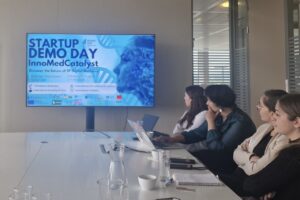
In May 2026, the partners of the InnoMedCatalyst (IMC) project participated in two international learning missions organized in Denmark and Switzerland, aimed at fostering knowledge exchange, strengthening international collaboration, and identifying best practices for the development of regional health innovation ecosystems.
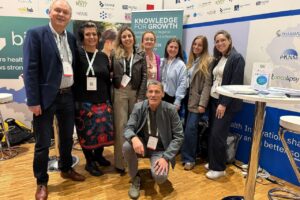
The first learning mission took place in Basel, one of Europe’s leading hubs for biotechnology and the pharmaceutical industry. As part of the program, the partners attended Swiss Biotech Day and explored the local life sciences ecosystem, with the opportunity to engage with key institutions and stakeholders, including the Swiss Personalized Health Network and the Novartis Campus.
The visit provided valuable insights into the mechanisms that support one of Europe’s most competitive biotechnology clusters, as well as into data-sharing models used in research and personalized medicine. Furthermore, discussions with ecosystem representatives highlighted collaboration opportunities and innovative approaches to accelerating biotechnology innovation across Europe.
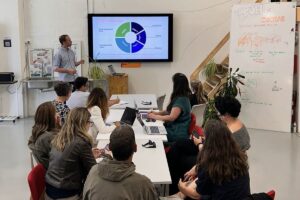
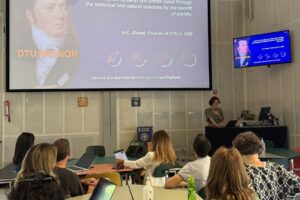
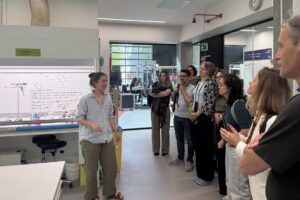
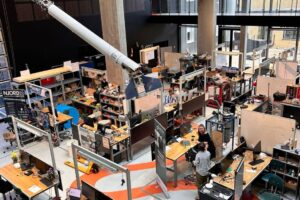
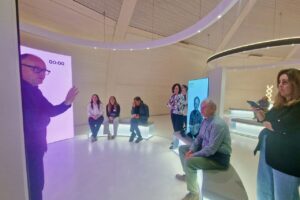
The second learning mission was held in the Greater Copenhagen region, one of Europe’s most advanced health innovation ecosystems. During the visit, consortium representatives had the opportunity to engage with clusters, hospitals, universities, and innovation hubs, exploring successful models that support the development of medical technologies and precision medicine.
The presentations and discussions emphasized the importance of sustained public and private investment in health innovation, close collaboration among academia, industry, public authorities, and healthcare institutions, as well as an early and continuous focus on entrepreneurship and talent development. These elements are essential drivers for accelerating innovation and translating research into tangible solutions for healthcare systems.
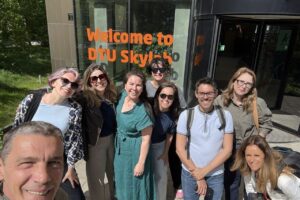
The consortium extends its sincere gratitude to the host organizations and institutions, Danish Life Science Cluster, Symbion Community, Medicon Valley Alliance, DTU Skylab (together with Wren Bioscience), Region East Denmark, TUH – Technical University Hospital of Greater Copenhagen, and BETA.HEALTH®, an innovation platform supported by the Novo Nordisk Foundation—for their warm hospitality, insightful presentations, and valuable exchange of expertise throughout the visit.
Both learning missions reaffirmed the importance of collaboration among regional innovation ecosystems and the need to build strong partnerships between academia, industry, public authorities, and innovation support organizations. The exchange of best practices and expertise contributes to strengthening Europe’s capacity to develop innovative solutions in digital health, precision medicine, and biotechnology.
Through these learning missions, the InnoMedCatalyst partners reaffirm their commitment to fostering innovation, promoting transnational collaboration, and supporting the development of high-performing ecosystems that will accelerate the transformation of the European health and life sciences sectors.